What is Gall Bladder Cancer?
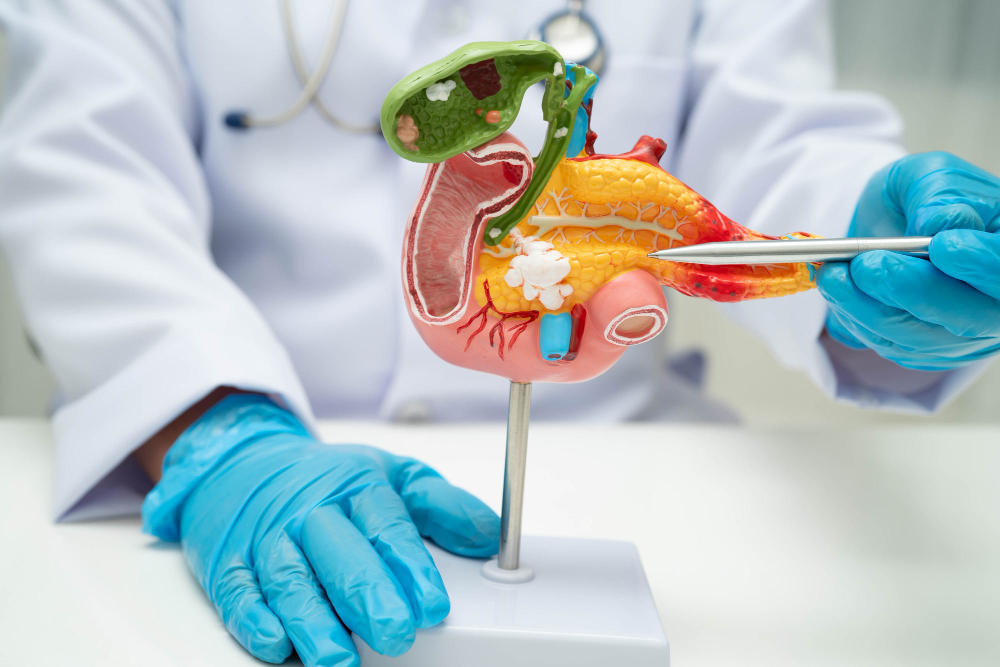
Gall bladder cancer is a rare but serious disease. It starts in the gall bladder, a small organ under your liver. The gall bladder stores bile, which helps your body digest fat. Although gall bladder cancer is not common, it can be hard to detect early. This is because symptoms often appear late. Early detection can improve treatment outcomes. Therefore, knowing the signs and risks is important.
Common Symptoms
Gall bladder cancer symptoms can be mild at first. However, as the disease grows, signs become more noticeable. Early signs of gall bladder cancer may include:
Sometimes, these symptoms can be caused by other health problems. But if you notice them, it is wise to see a doctor.
Main Causes and Risk Factors
Doctors do not know the exact cause of gall bladder cancer. However, certain factors can raise your risk. For example, having gallstones is a common risk. Gallstones are small, hard pieces that form in the gall bladder. Other risk factors include:
In some regions, like parts of South America and Asia, gall bladder cancer is more common. This may be due to diet or genetics. But, anyone can develop this cancer.
How Gall Bladder Cancer is Diagnosed
Doctors use several tests to diagnose gall bladder cancer. First, they may ask about your symptoms and medical history. Next, they may do a physical exam. If cancer is suspected, the doctor may order:
Early diagnosis can help doctors find the best treatment. Therefore, if you have symptoms, do not delay seeing a healthcare provider.
Treatment Options
Treatment for gall bladder cancer depends on the stage of the disease. Options may include:
Sometimes, a team of doctors will combine treatments. Your doctor will explain which options are best for you. Early-stage cancer is easier to treat. However, advanced cancer may need more complex care.
Prevention and Lifestyle Tips
While you cannot prevent all cases, some steps may lower your risk. For instance, you can:
Additionally, treating gallstones and gall bladder infections early may help. Although not all risk factors can be changed, healthy habits support your overall well-being.
When to See a Doctor
If you notice symptoms like pain in the upper right belly, yellow skin, or sudden weight loss, see a doctor soon. Early signs of gall bladder cancer can be easy to miss. But, quick action can make a big difference. Even if your symptoms are mild, it is better to get checked. Your doctor can help find the cause and suggest the next steps.
In summary, Gall bladder cancer is rare but serious. Knowing the symptoms and risks can help you act early. For personalized advice on gall bladder cancer, consult Shree Shyam Clinic.