Introduction
Many people wonder, can sunscreen prevent skin cancer? This is an important question, especially as skin cancer rates rise worldwide. Skin cancer is one of the most common cancers. However, it is also one of the most preventable. Sunscreen is a key tool for protection. But how well does it work? In this blog, we will explore how sunscreen helps, what research shows, and how you can protect your skin every day.
What is Skin Cancer?
Skin cancer happens when skin cells grow out of control. Usually, this is caused by too much exposure to ultraviolet (UV) rays from the sun or tanning beds. There are three main types of skin cancer:
Although anyone can get skin cancer, people with fair skin, many moles, or a family history have a higher risk. Still, everyone should take steps to protect their skin.
How Does Sunscreen Work?
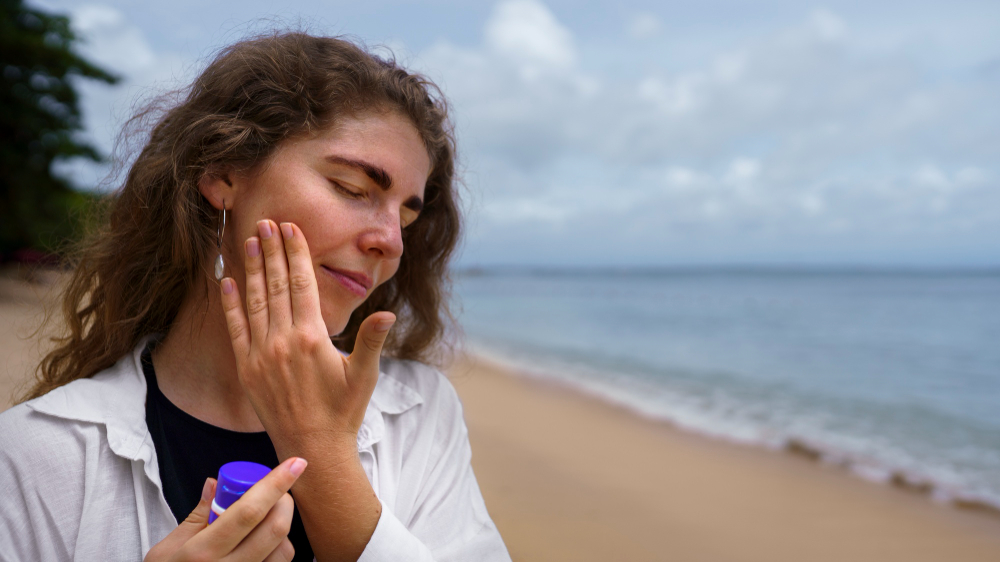
Sunscreen is a lotion, spray, or gel that you put on your skin. It helps block or absorb harmful UV rays. There are two main types of UV rays: UVA and UVB. Both can damage your skin and lead to cancer. Sunscreen uses special ingredients to protect you:
Because sunscreen acts as a shield, it lowers your risk of sunburn and long-term skin damage. For best results, choose a broad-spectrum sunscreen with SPF 30 or higher.
Evidence: Can Sunscreen Prevent Skin Cancer?
Many studies show that sunscreen can help prevent some types of skin cancer. For example, a large study in Australia found that people who used sunscreen daily had fewer cases of squamous cell carcinoma. The World Health Organization (WHO) and the Centers for Disease Control and Prevention (CDC) both recommend sunscreen as part of a full sun protection plan.
However, sunscreen is not a magic shield. While it lowers your risk, it does not prevent all skin cancers. Some studies suggest that sunscreen may not fully protect against melanoma if you do not use it correctly. Therefore, it is important to use sunscreen along with other sun safety steps.
How to Use Sunscreen Effectively
To get the most protection, you need to use sunscreen the right way. Here are some tips:
Even on cloudy days, up to 80% of UV rays can reach your skin. So, make sunscreen a daily habit.
Additional Tips for Skin Cancer Prevention
Besides sunscreen, there are other ways to lower your risk of skin cancer. For example:
By combining these steps with sunscreen, you can greatly reduce your risk.
Common Myths About Sunscreen and Skin Cancer
There are many myths about sunscreen and skin cancer. Let’s clear up a few:
Knowing the facts helps you make safer choices for your skin.
Conclusion
In summary, sunscreen can help prevent some types of skin cancer when used correctly. However, it works best as part of a full sun protection plan. Remember to use sunscreen daily, wear protective clothing, and check your skin often. For the best advice, consult Dr. Zahid Zahiri at Shree Shyam Clinic for personalized tips on skin cancer prevention.