
Introduction
Bladder cancer is a serious health problem that affects many people worldwide. Early detection of bladder cancer can make treatment easier and improve outcomes. However, many people miss the early signs or do not seek help right away. Because of this, diagnosis is often delayed. In this blog, you will learn about the early signs of bladder cancer, why diagnosis can be late, and what you can do to protect your health.
What Is Bladder Cancer?
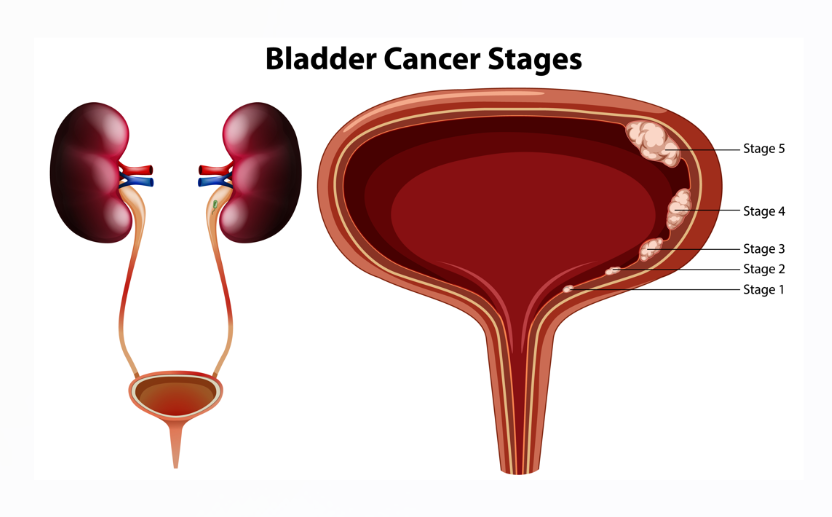
Bladder cancer starts when cells in the bladder grow out of control. The bladder is a hollow organ in your lower belly. It stores urine before it leaves your body. Most bladder cancers begin in the lining of the bladder. Over time, the cancer can spread to other parts of the body if not treated early. According to the World Health Organization, bladder cancer is one of the most common cancers worldwide.
Early Signs and Symptoms of Bladder Cancer
Recognizing the early signs of bladder cancer is important. Often, these signs are easy to miss or may seem like other common problems. However, paying attention to changes in your body can help you catch cancer early. The most common early symptoms include:
Sometimes, these symptoms may come and go. For example, blood in the urine may appear once and then disappear. But even if symptoms stop, it is important to get checked by a doctor.
Why Is Diagnosis Often Delayed?
Many people do not notice the early signs of bladder cancer. In fact, some symptoms can be mistaken for other common issues, such as urinary tract infections or kidney stones. Because of this, people may wait before seeing a doctor. Also, blood in the urine may not be visible every time. Some people feel embarrassed or think the problem will go away on its own. As a result, diagnosis is often delayed. Early detection is key, so do not ignore any unusual changes.
Risk Factors and Causes
Several factors can increase your risk of bladder cancer. Knowing these risks can help you take steps to protect your health. The main risk factors include:
While you cannot control all risk factors, you can lower your risk by not smoking and avoiding harmful chemicals when possible.
How Bladder Cancer Is Diagnosed
Doctors use several tests to diagnose bladder cancer. First, they may ask about your symptoms and medical history. Then, they might do a physical exam. Common tests include:
Early diagnosis gives you more treatment options and a better chance of recovery. Therefore, do not delay if you notice any symptoms.
Prevention and When to See a Doctor
While not all cases can be prevented, you can lower your risk of bladder cancer by making healthy choices. Here are some tips:
If you notice blood in your urine or any other early signs of bladder cancer, see a healthcare specialist right away. Early action can save your life.
If you notice any early signs of bladder cancer, consult at Shree Shyam Clinic for personalized advice.