Introduction
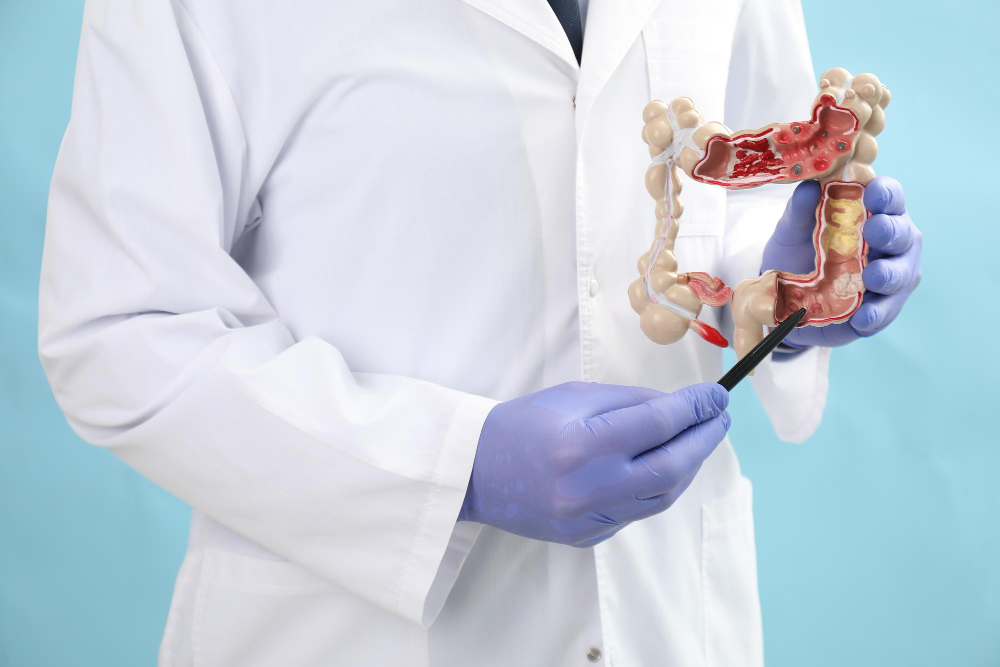
Colorectal cancer is a type of cancer that starts in the colon or rectum. These are parts of the large intestine. This cancer is common, but early detection can save lives. According to the World Health Organization (WHO), colorectal cancer is one of the leading causes of cancer deaths worldwide. However, many cases can be prevented or treated if found early. In this blog, you will learn about colorectal cancer symptoms, causes, diagnosis, treatment options, and how to prevent colorectal cancer.
Symptoms
Often, colorectal cancer does not cause symptoms right away. But as the cancer grows, you may notice changes. For example, you might see:
However, these symptoms can also be caused by other conditions. Therefore, it is important to talk to your doctor if you notice any of these signs.
Causes and Risk Factors
Colorectal cancer develops when cells in the colon or rectum grow out of control. While the exact cause is not always known, several risk factors can increase your chance of getting this cancer. For instance, your risk may be higher if you:
But even if you have risk factors, you can take steps to lower your risk.
Diagnosis
Early diagnosis of colorectal cancer can improve treatment outcomes. Doctors use several tests to find this cancer. For example, they may recommend:
If you have symptoms or a family history, your doctor may suggest screening earlier. The Centers for Disease Control and Prevention (CDC) recommends regular screening starting at age 45 for most people.
Treatment Options
Treatment for colorectal cancer depends on the stage and location of the cancer. Your doctor will discuss the best plan for you. Common colorectal cancer treatment options include:
Sometimes, doctors use a combination of these treatments. Early-stage cancers may need only surgery, while advanced cases may need more than one treatment.
Prevention Tips
While not all cases can be prevented, you can lower your risk of colorectal cancer. Here are some tips on how to prevent colorectal cancer:
In addition, talk to your doctor about your personal risk and the best screening schedule for you.
Lifestyle Guidance for Patients and Families
Living with colorectal cancer can be challenging, but support and healthy habits can help. For example, patients and families can:
Moreover, open communication with your doctor can make a big difference in your care and recovery.
Conclusion
Colorectal cancer is a serious but often preventable disease. Early detection, healthy habits, and the right treatment can improve outcomes. If you have symptoms or risk factors, do not wait. Consult a healthcare professional at Shree Shyam Clinic for personalized advice.