What Are Nasal Tumors?
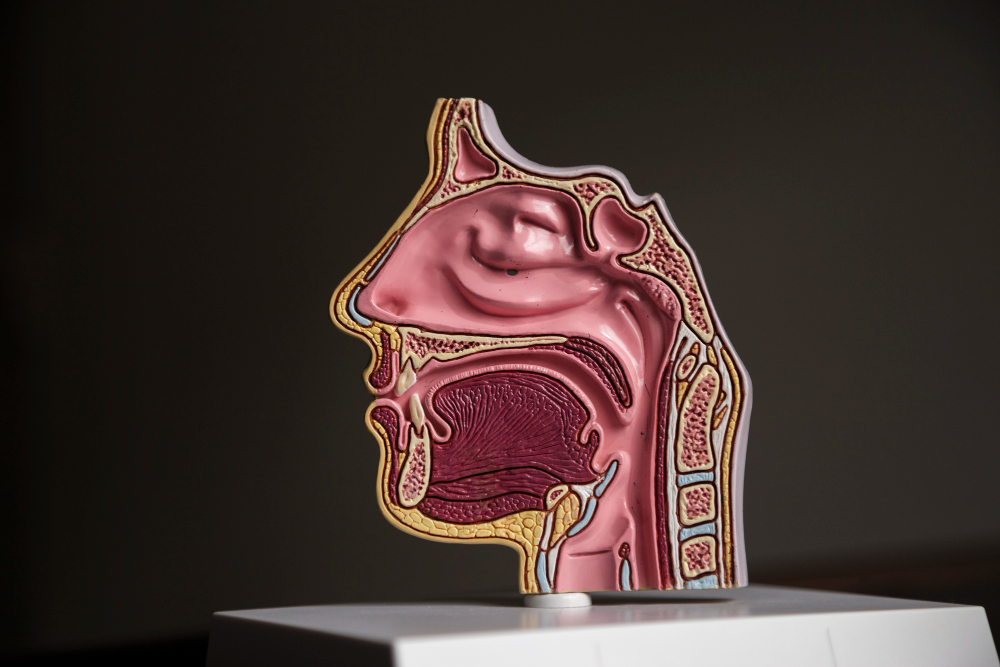
Nasal tumors are growths that develop inside the nose or nearby areas. These growths can be non-cancerous (benign) or cancerous (malignant). While some nasal tumors grow slowly, others may spread quickly. Because early signs of nasal tumors can be mild, many people do not notice them right away. However, early detection is important for better outcomes. Nasal tumors can affect breathing, sense of smell, and overall comfort. For this reason, it is important to know the symptoms and seek help if you notice changes.
Common Symptoms of Nasal Tumors
Symptoms of nasal tumors can vary. Sometimes, they may seem like a common cold or sinus infection. Yet, some signs last longer or get worse over time. Watch for these symptoms:
Because these symptoms can have many causes, it is wise to see a doctor if they do not improve.
Causes and Risk Factors
Although the exact cause of nasal tumors is not always clear, several factors can raise your risk. For example, long-term exposure to certain chemicals or dust can increase the chance of developing nasal tumors. Other risk factors include:
However, not everyone with these risk factors will develop nasal tumors. Still, knowing your risks can help you stay alert to early signs.
How Nasal Tumors Are Diagnosed
Doctors use several steps to diagnose nasal tumors. First, they ask about your symptoms and medical history. Next, they may examine your nose using a special light or camera. If a tumor is suspected, doctors often order imaging tests, such as:
Sometimes, a small tissue sample (biopsy) is taken to check if the tumor is cancerous. Early diagnosis helps guide the best treatment for nasal tumors.
Treatment Options for Nasal Tumors
Treatment for nasal tumors depends on the type, size, and location of the tumor. In many cases, a team of specialists will create a plan just for you. Common treatment options include:
Sometimes, a combination of treatments is needed. After treatment, regular check-ups help monitor for any return of the tumor.
Prevention and Lifestyle Tips
While not all nasal tumors can be prevented, you can lower your risk by making healthy choices. For instance, you can:
Additionally, regular health check-ups can help catch problems early. Staying aware of changes in your nose or breathing is also important.
When to See a Doctor
If you notice symptoms like ongoing nasal blockage, frequent nosebleeds, or changes in your sense of smell, do not ignore them. Especially if these symptoms last more than two weeks, it is wise to seek medical advice. Early action can make a big difference in treatment success. If you have risk factors or a family history of nasal tumors, regular check-ups are even more important.
In summary, nasal tumors can affect anyone, but early detection and treatment offer the best chance for recovery. Consult Shree Shyam Clinic for personalized advice about nasal tumors.