
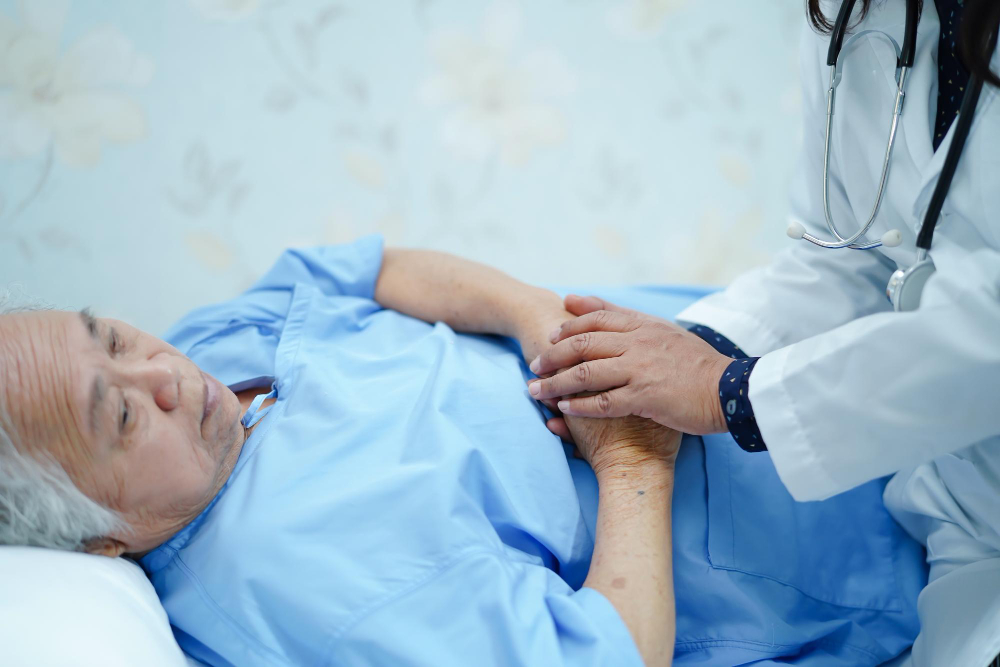
After adrenal cancer surgery, proper post-surgical care is key for a smooth recovery. Post-surgical care for adrenal cancer patients includes many steps to help healing and prevent problems. In this guide, you will find adrenal cancer recovery tips, adrenalectomy aftercare advice, and important steps for adrenal tumor surgery recovery. Whether you are a patient or a caregiver, these tips can help you feel more confident during the healing process.
What Is Adrenal Cancer Surgery?
Adrenal cancer surgery removes a tumor from one or both adrenal glands. Doctors often call this procedure an adrenalectomy. Sometimes, the surgery is done through a small cut (laparoscopic). Other times, a larger cut is needed. The main goal is to take out the cancer and protect healthy tissue. After surgery, your body may need time to adjust, especially if a whole gland is removed.
Immediate Post-Surgical Care
Right after surgery, you will stay in the hospital for close monitoring. Nurses and doctors check your vital signs, pain level, and wound healing. They also watch for any signs of infection or bleeding. Most patients start moving as soon as possible to lower the risk of blood clots. Early movement helps your body heal faster.
Common Symptoms and Side Effects After Surgery
After adrenal tumor surgery, you may notice some common symptoms. These can include pain, tiredness, or mild swelling near the wound. Sometimes, you may feel weak or dizzy. These symptoms often improve with time. However, it is important to watch for any changes.
If symptoms get worse or do not improve, contact your doctor.
Monitoring and Follow-Up Care
After leaving the hospital, regular follow-up visits are very important. Your doctor will check your healing and may order blood tests or scans. These visits help spot any problems early. In many cities, cancer centers offer special follow-up clinics for adrenal cancer patients.
Medication and Hormone Management
After adrenalectomy, your body may need help making certain hormones. Your doctor might prescribe hormone pills or other medicines. It is important to take these exactly as directed. Missing doses can cause serious health problems.
Nutrition and Lifestyle Tips for Recovery
Good nutrition helps your body heal after surgery. Eating balanced meals gives you energy and supports your immune system. Drinking enough water is also important. In addition, gentle exercise can help you regain strength.
Warning Signs: When to Contact Your Doctor
Sometimes, problems can happen after adrenal tumor surgery. Knowing the warning signs can help you get help quickly. If you notice any of the following, call your doctor right away:
Emotional Support and Resources
Recovering from adrenal cancer surgery can be stressful. It is normal to feel worried or sad at times. However, support is available. Many hospitals offer counseling or support groups. Talking with others who have had similar surgery can help you feel less alone.
Prevention of Complications
Taking steps to prevent problems can help you heal faster. Always follow your doctor’s advice. In addition, keep your wound clean and avoid heavy lifting. If you have diabetes or high blood pressure, manage these conditions carefully.
In summary, post-surgical care for adrenal cancer patients is vital for a safe recovery. By following these steps, you can lower your risk of problems and feel better sooner. For personalized post-surgical care guidance, consult your healthcare provider at Shree Shyam Clinic.