What is Thyroid Cancer?
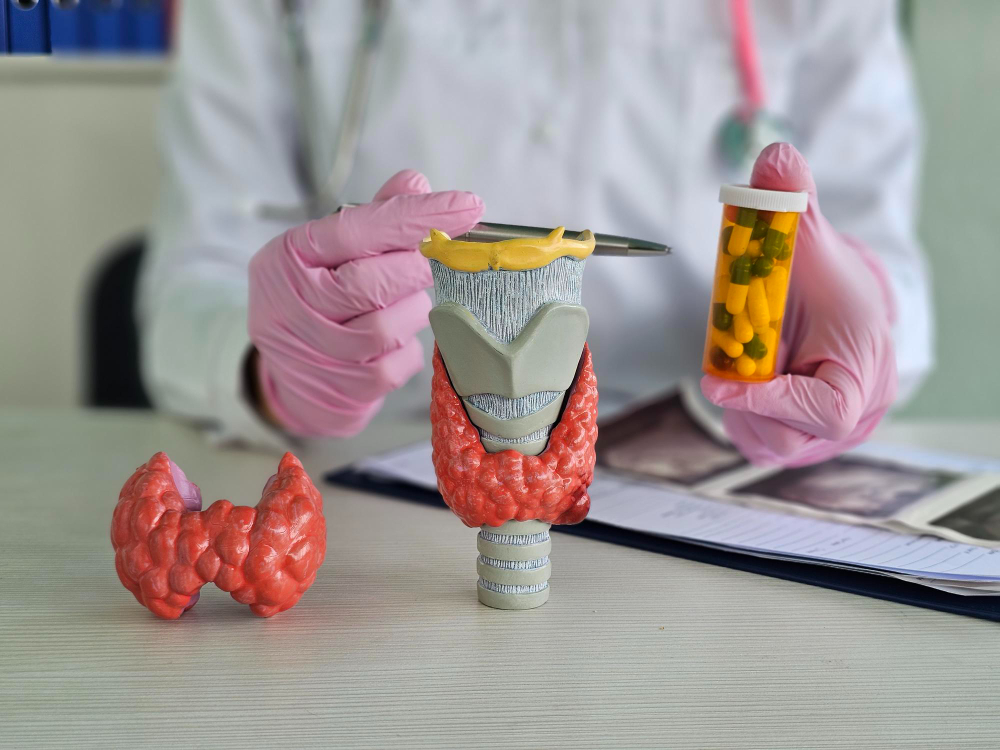
Thyroid cancer is a disease where cells in the thyroid gland grow out of control. The thyroid is a small, butterfly-shaped gland in your neck. It helps control your body’s metabolism. Although thyroid cancer is not very common, it is important to know its signs and treatment options. Early detection can improve outcomes. According to the World Health Organization, thyroid cancer rates have increased in recent years. However, most cases can be treated successfully.
Types of Thyroid Cancer
There are several types of thyroid cancer. Each type behaves differently and may need a unique treatment plan. Understanding the types can help you and your doctor choose the best care.
Common Symptoms
Many people with thyroid cancer do not notice symptoms at first. Still, some signs may appear as the cancer grows. Knowing these symptoms can help you seek care early.
However, these symptoms can also be caused by other conditions. If you notice any of them, it is wise to see your doctor.
Diagnosis Methods
Doctors use several methods to diagnose thyroid cancer. Early diagnosis can lead to better treatment results. If you have symptoms or a lump in your neck, your doctor may suggest these tests:
Surgical Treatment Options
Surgery is often the main treatment for thyroid cancer. The type of surgery depends on the cancer type and stage. Your doctor will discuss the best option for you. Here are the common surgical treatments:
After surgery, some people may need radioactive iodine therapy or hormone replacement. These help destroy any remaining cancer cells and keep hormone levels balanced.
Recovery and Aftercare
After thyroid cancer surgery, most people recover well. However, you may need to stay in the hospital for a short time. Your doctor will give you instructions for care at home. For example, you may need to:
With proper care, most people return to normal activities within a few weeks. Still, regular check-ups are important to monitor your health.
Prevention and Lifestyle Tips
While you cannot always prevent thyroid cancer, you can lower your risk with healthy habits. Here are some tips:
Early detection and healthy choices can make a big difference. If you notice any thyroid cancer symptoms, seek medical advice quickly.
Consult at Shree Shyam Clinic for personalized advice on thyroid cancer.