
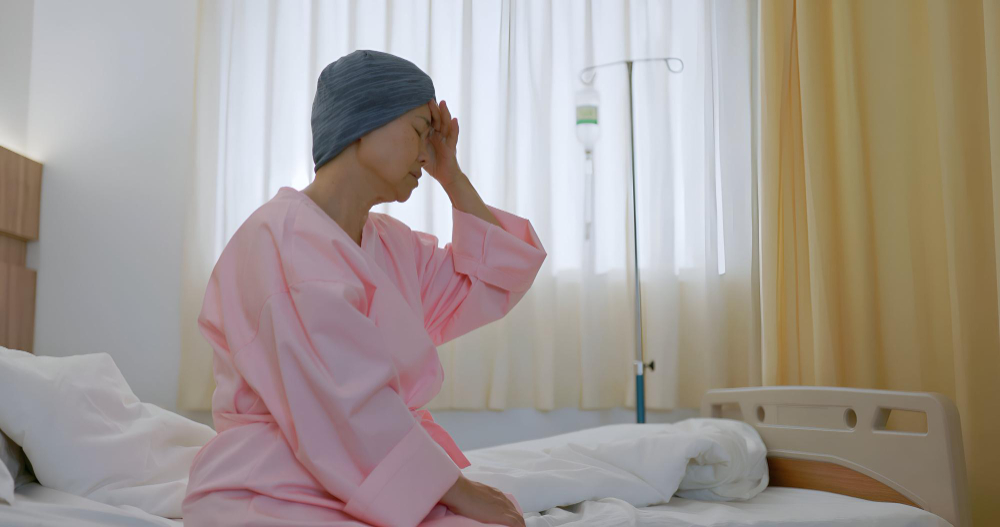
What is Cancer Fatigue?
Cancer fatigue is a deep feeling of tiredness that many people with cancer experience. Unlike normal tiredness, cancer fatigue does not always get better with rest. In fact, it can last for weeks or even months. For many, this type of tiredness can affect daily life and make simple tasks hard. Cancer fatigue is common during cancer treatment, but it can also happen after treatment ends. According to the World Health Organization (WHO), it is one of the most reported symptoms among cancer patients.
Common Symptoms of Cancer Fatigue
People with cancer fatigue may notice several signs. While these symptoms can vary, they often include:
Sometimes, these symptoms can come and go. However, for many, they may last a long time. If you notice these signs, it is important to talk to your doctor.
Causes and Risk Factors
There are many reasons why cancer fatigue happens. Often, it is caused by a mix of factors. For example, cancer itself can change how your body uses energy. In addition, treatments like chemotherapy, radiation, or surgery can make you feel more tired. Other causes include:
Some people are at higher risk. For instance, older adults or those with other health problems may feel more tired. But anyone with cancer can have cancer-related tiredness.
How Cancer Fatigue is Diagnosed
Doctors diagnose cancer fatigue by asking about your symptoms. They may use simple questions or special scales to measure how tired you feel. Sometimes, doctors will check for other causes, such as anemia or thyroid problems. Blood tests or other exams may help rule out these issues. However, there is no single test for cancer fatigue. Instead, your doctor will look at your full health picture.
Effective Management and Treatment Options
Managing fatigue during cancer treatment is important. While there is no quick cure, several options can help. Your doctor may suggest:
In many cases, a mix of these treatments works best. Always talk with your healthcare team before starting any new activity or medicine.
Lifestyle Tips for Coping with Cancer Fatigue
There are simple steps you can take at home to cope with cancer fatigue. For example, you can:
Although these tips may not remove all tiredness, they can make daily life easier. Remember, every person is different. So, it may take time to find what works best for you.
Prevention and When to Seek Help
While you may not always prevent cancer fatigue, you can lower your risk. For instance, staying active and eating well can help. Also, keeping a regular sleep schedule may improve your energy. But if your tiredness gets worse or stops you from doing daily tasks, it is time to seek help. Contact your doctor if you:
Early support can make a big difference. Your healthcare team can help you find the best ways to manage cancer fatigue.
Consult Shree Shyam Clinic for personalized advice on managing cancer fatigue.