
What is Lymphoma?
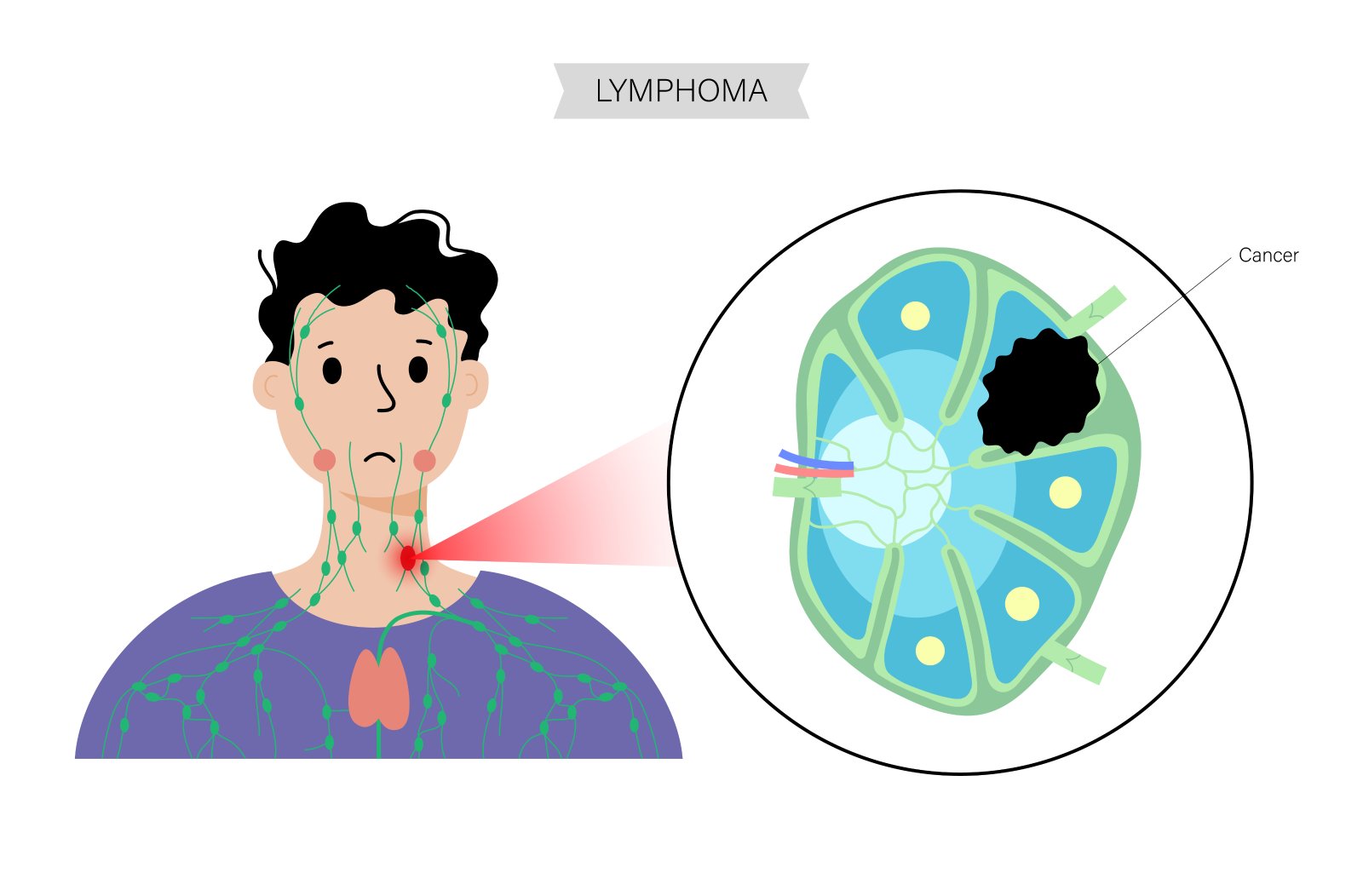
Lymphoma (Hodgkin & Non-Hodgkin) is a type of cancer. It starts in the lymphatic system, which helps fight infections. The lymphatic system includes lymph nodes, spleen, and other tissues. There are two main types of lymphoma: Hodgkin lymphoma and Non-Hodgkin lymphoma.
Hodgkin lymphoma has a special cell called the Reed-Sternberg cell. Non-Hodgkin lymphoma does not have this cell. Both types can affect people of any age. However, they are more common in adults.
Common Symptoms
Many people with lymphoma notice changes in their bodies. Early signs may be mild. But, symptoms can get worse over time. Watch for these common lymphoma symptoms:
Sometimes, these symptoms can be caused by other illnesses. Still, if you notice them, it is important to see a doctor.
Causes and Risk Factors
Doctors do not know the exact cause of lymphoma. Yet, some factors can raise your risk. For example, having a weak immune system can make lymphoma more likely. In addition, certain infections, like HIV or Epstein-Barr virus, may increase risk. Age also matters. Most cases happen in adults over 60. However, Hodgkin lymphoma often affects young adults.
Even with these risks, many people with lymphoma have no known cause.
Diagnosis Methods
Early diagnosis helps improve outcomes. If your doctor suspects lymphoma, they may use several tests. First, a physical exam checks for swollen lymph nodes. Next, blood tests look for signs of disease. Imaging tests, such as CT or PET scans, help find affected areas. Most often, a biopsy is needed. This means a small piece of tissue is removed and checked under a microscope. For Hodgkin lymphoma diagnosis, doctors look for Reed-Sternberg cells. For Non-Hodgkin lymphoma, other cell types are checked.
Treatment Options
Treatment depends on the type and stage of lymphoma. Your doctor will create a plan that fits your needs. Common Non-Hodgkin lymphoma treatments and Hodgkin lymphoma treatments include:
Sometimes, doctors use a mix of these treatments. Side effects may happen, but your care team can help manage them.
Lifestyle Tips for Patients
Living with lymphoma can be challenging. However, healthy habits can make a difference. Here are some tips for living with lymphoma:
Additionally, follow your treatment plan and keep all medical appointments.
Prevention and Early Detection
There is no sure way to prevent lymphoma. Still, you can lower your risk by staying healthy. For example, avoid exposure to harmful chemicals. Treat infections quickly. If you have a weak immune system, follow your doctor’s advice. Early detection is key. Therefore, see your doctor if you notice any lymphoma symptoms. Regular check-ups can help find problems early.
In summary, lymphoma (Hodgkin & Non-Hodgkin) is a serious but treatable cancer. Early diagnosis and the right treatment can improve your chances. Consult a healthcare specialist at Shree Shyam Clinic for personalized advice on lymphoma.